
The Importance of Water in Brewing: Quality and Chemistry
The transition from a small-scale setup to full professional production requires a major upgrade in how you manage your ingredients. While hobbyists can rely on standard tap water, expanding to commercial operations demands total control over your liquid assets.
For startups sourcing commercial brewing equipment systems in the UK, or established facilities seeking to invest in the best brewing equipment setups, understanding water chemistry is vital. Water is the unsung hero of production, playing a defining role in determining the quality, consistency, and ultimate flavour profile of your beer.
1. Water as the Industrial Foundation
When executing large-scale production, water is the primary raw ingredient and the foundation upon which everything else is built. It typically makes up around 90-95% of the beer's final composition. Managing this input requires moving past basic domestic supplies. Its mineral content, pH level, and organic purity have a direct, measurable influence on hot-side efficiency and product consistency. Even subtle changes in water quality can significantly alter the flavour profile of a beer, making precise water management a core requirement for any UK based professional microbrewery equipment setup.

2. The Role of Minerals in Commercial Operations
Water used in professional facilities is never just H₂O; it contains a precise matrix of minerals and ions that dictate brewhouse efficiency. The most critical minerals include calcium, magnesium, sodium, sulphate, and chloride. Within an industrial brewing equipment system, these minerals do not just influence the final taste and mouthfeel. They directly impact critical production parameters such as enzymatic activity in the mash, yeast replication kinetics in the fermentation tank, and cold-side protein precipitation. Commercial brewers use water adjustment skids to precisely manipulate these mineral PPM (parts per million) ratios, allowing them to replicate classic regional styles or optimise yeast performance across high-gravity fills.
3. pH Balance, Alkalinity, and Automated Controls
Maintaining the correct pH balance during mashing and sparging is vital for the enzymatic activity that converts starches into fermentable sugars. Professional micro brewing equipment relies on tight pH targets to ensure optimal extract efficiency from the malt grist. The residual alkalinity of the water - its ability to buffer and neutralise acids - plays a crucial role in maintaining these desired pH windows. To manage this at scale, modern breweries use an automated PLC control system or high-precision digital pH probes mounted inline. This allows production teams to monitor shifting mash chemistry instantly and inject precise acid additions safely, avoiding the erratic conversion rates common in unmonitored home setups.

4. Mineral Ratios and Hop Utilisation
Water chemistry directly affects hop utilisation, specifically the extraction efficiency of bittering alpha acids and delicate aromatic essential oils during the boil. Within a heavy-duty stainless steel beer brewing equipment array, the ratio of sulphate to chloride ions dictates the final balance of the beverage. A high sulphate-to-chloride ratio enhances the perception of clean, crisp hop bitterness, which is essential for modern craft styles. Conversely, pushing chloride higher yields a softer, rounder, and fuller malt mouthfeel. Commercial operations carefully tune these exact water specs before transferring the wort to the whirlpool vessel to lock in the beer's targeted structural character.
5. Replicating Regional Water Profiles at Scale
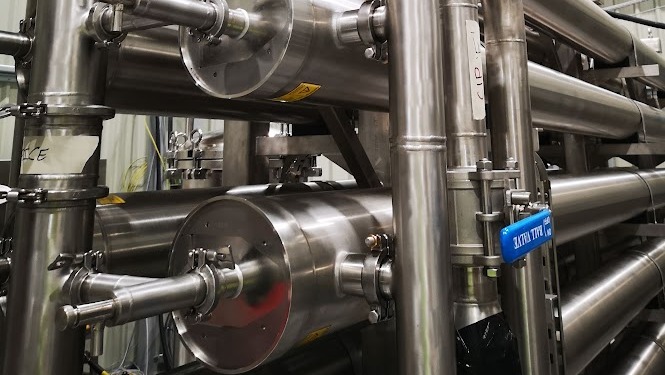
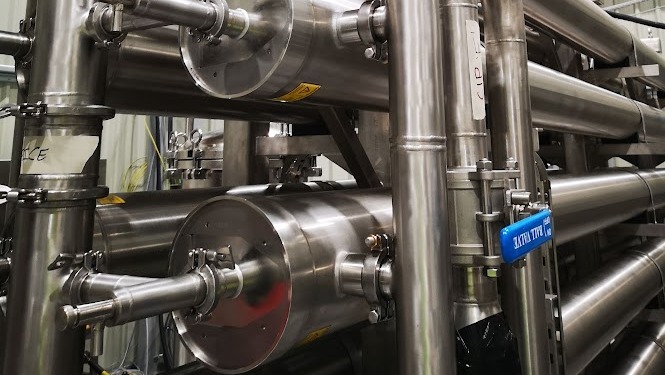
Historically, classic beer styles evolved in specific global regions due to the unique, un-remediated local water profiles available. Famous brewing hubs like Pilsen, Burton-on-Trent, and Dublin owe their historic beer styles directly to their groundwater chemistry. Today, rather than relying on luck, production facilities investing in complete turnkey systems utilise advanced Reverse Osmosis (RO) water filtration systems. This technology strips the source water down to a blank slate, empowering brewers to synthetically build back precise mineral blends. Using these industrial filtration arrays, a modern craft brewery can flawlessly replicate any regional water profile on earth with total batch-to-batch consistency.
Understanding the importance of water in brewing allows commercial producers to fine-tune their recipes, craft exceptional beers, and maximise brewhouse efficiency.